Unlocking the Power of Sound: The Tomatis® Method and the use of Mozart and Gregorian chant
Have you ever wondered if listening to music could actually rewire your brain? Not just any music, but specifically the soaring melodies of Mozart or the serene rhythms of Gregorian chant? Enter the Tomatis Method—an auditory stimulation program that's been helping people improve their listening skills, emotional well-being, and even cognitive functions for decades. Developed by French ear, nose, and throat specialist Dr. Alfred Tomatis in the 1960s, this method isn't about passive hearing; it's about active listening and how sound can transform our neurological and psychological states.

While this is not a therapy, it pairs well with other therapies and has powerful impact on one’s overall mental well being.
In this blog post, we'll dive into what the Tomatis Method is, how it works, and why Mozart's compositions and Gregorian chants are the heart and soul of the program. Whether you're a parent exploring therapies for a child with learning challenges, someone dealing with anxiety, or just a music lover curious about the science behind sound, this could change how you think about your ears and brain.
What is the Tomatis Method? At its core, the Tomatis Method is a sound based, neuro-auditory stimulation program designed to enhance listening and communication skills. Dr. Tomatis distinguished between "hearing" (the passive reception of sound) and "listening" (an active process that engages the brain). He believed that issues like poor language development, autism, dyslexia, depression, or even balance problems stem from dysfunctional middle ear muscles or impaired connections between the ear and brain.
The method uses proprietary technology called The Gating Effect, which filters and modifies music and voices in real-time. Sounds are delivered through special headphones that combine air conduction (through the outer and middle ear) and bone conduction (vibrating directly through the skull to the inner ear). This dual approach exercises the ear muscles, stimulates neural pathways, and essentially retrains the auditory system. Because it is also a physiological workout for your middle ear muscles, you can also think of me as a personal trainer - for your ears.
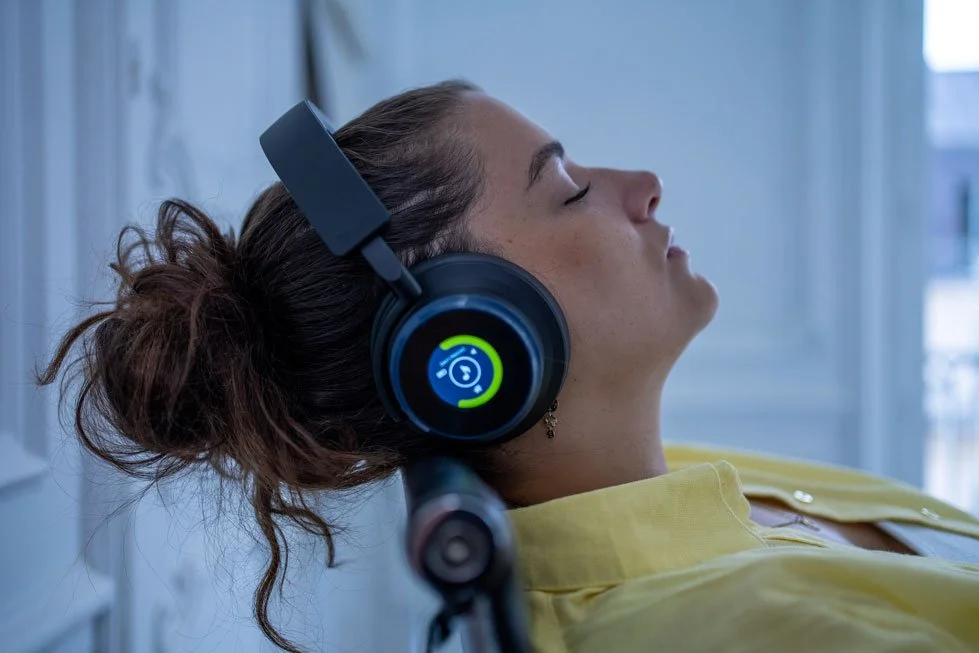
Your Maestro headphones will be a life long tool.
But why music at all? Tomatis saw the ear as the director of an orchestra for the body—regulating movement, posture, communication, and even thinking. Music acts as an infrastructure for the nervous system, energizing the brain and fostering harmony between our internal rhythms and the world around us.
The Role of Music in the Tomatis® Method isn't just background noise; it's the key ingredient. By filtering out low frequencies and emphasizing high ones (up to 4,000 Hz or more), the therapy stimulates the tiny hair cells (cilia) in the inner ear. High-frequency sounds activate more cilia than low ones, leading to greater neural stimulation and a charging effect on the brain's cortex. This can improve attention, reduce anxiety, and enhance overall vitality.
Tomatis experimented with various genres—classical, modern, ethnic—but found that certain types yielded the best results. Mozart and Gregorian chant, aren't chosen randomly. They're selected for their unique acoustic properties and profound effects on the human body and mind. Why Mozart? The Universal Genius of Sound. If there's a "superstar" in the Tomatis Method, it's Wolfgang Amadeus Mozart. Tomatis called him an auditory vision with a cerebral transistor that captured the essence of creation. But why Mozart specifically? First, his music has a universal appeal. It works across cultures, ages, and backgrounds, achieving optimal therapeutic results everywhere—from France to the Amazon. Tomatis noted, "His music influences everyone, everywhere... Mozart’s music indisputably achieves the best result."
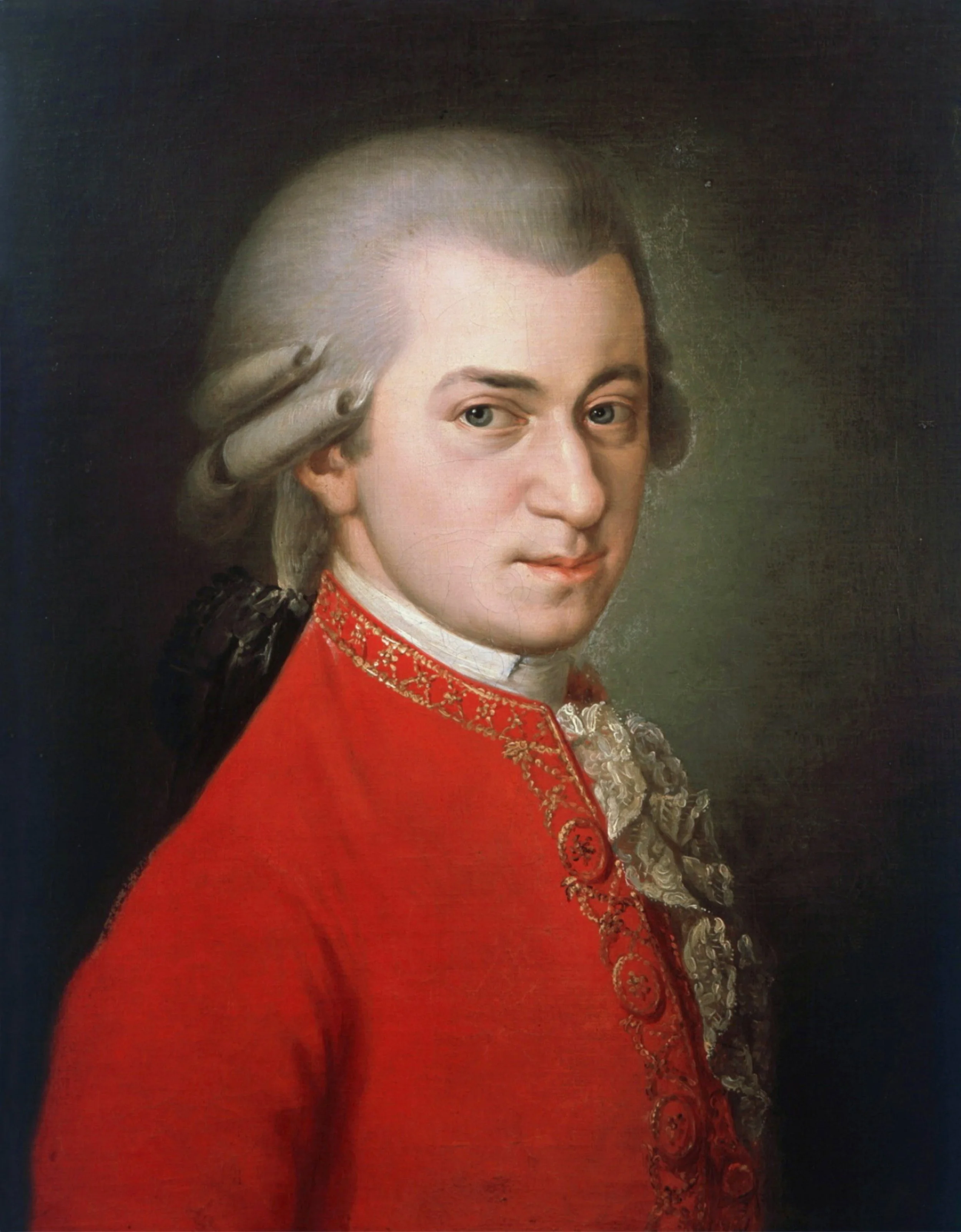
Wolfgang Amadeus Mozart
Mozart's compositions are rich in high frequencies, which energize the brain without overwhelming it. They promote verticality—an upright posture that turns the body into a resonant "antenna" for sound. His rhythms (around 120 beats per minute) match a newborn's heartbeat, fostering a sense of plenitude, liberty, and ease in breathing and thinking. As Dr. Tomatis once said, “Some sound are as good as two cups of coffee.” Mozart certainly has this energizing effect - minus the jitters.
Unlike Beethoven's dramatic intensity or Bach's structured complexity, Mozart's music is childlike, spontaneous, and free. It doesn't impose; it invites. It awakens the mind by opening the ears to discriminate frequencies and integrate rhythm, harmony, and melody. In therapy, filtered Mozart helps with ear functions like balance (via the vestibular system), revitalization (cortical charging), and hearing analysis. In this way, you can think of the ear as the battery for the brain.
Tomatis even contrasted Mozart with his contemporaries, finding that only Mozart's work consistently transforms listeners, freeing cardiac and respiratory functions and inducing a trance-like return to our "original state."
Gregorian Chant: The Calming Counterpoint. Now, you might wonder: Why pair the lively Mozart with the ancient, monastic tones of Gregorian chant? Tomatis saw them as complementary forces. While Mozart vibrates with a fast, childlike rhythm, Gregorian chant is slower (about 60 pulsations per minute), more like the completed language of an adult.

Monks that sing and pray together, stay together.
Gregorian chant, especially from the Solesmes tradition, is praised for its ability to "save" rather than just cure. This actually happened in real life. Tomatis was called to a monastery where the monks were depressed and leaving at an alarming rate. During a period where chanting had been removed from their routines, Tomatis immediately reinstalled this practice and within weeks, the problem was resolved. Chant awakens the soul's vibrations, restores natural breathing, and aligns physiological rhythms disrupted by stress. Tomatis explained: "Gregorian chant does not cure, it saves…” It is the most refined means to urge the body to vibrate under the impact of the soul’s own vibrations."
Its rhythm corresponds to breathing rather than the heartbeat, bringing the two into harmony. Rich in overtones, it charges the cerebral cortex energetically and also has a profoundly calming effect—ideal for anxious individuals. Singing it requires exceptional self-control and listening to it, promotes dynamic relaxation, reduced muscle tension, and a sense of serenity that glimpses paradise.
In the Tomatis Method, chant organizes the ear to fully use its functions, burying distractions and energizing the cortex for deeper states like prayer. It's universal, impacting the autonomic nervous system and translating intentions felt deep in human nature. Interestingly, Tomatis noted that Gregorian chant's rhythm is essentially Mozart's divided by two, linking them as paths to the same divine listening.
The combination of Mozart and Gregorian chant in the Tomatis Method has shown promise in treating auditory processing disorders, autism, ADHD, and even mental health issues like depression and axiety. It relaxes, energizes, and invites better communication—essentially turning the body into a harmonious instrument tuned to cosmic rhythms.
The Tomatis Method reminds us that sound is more than entertainment—it's a gateway to healing and self-discovery. Mozart brings the spark of joy and vitality, while Gregorian chant offers profound calm and spiritual depth. Together, they create a symphony that reawakens our innate potential.If you're intrigued, consider booking a free discovery call with me.
Who knows? A little Mozart might just be the key to unlocking your best self.