Settling into the School Year: How Stronger Listening Skills Help Kids Handle Classroom Noise, Homework, and Emotional Ups & Downs
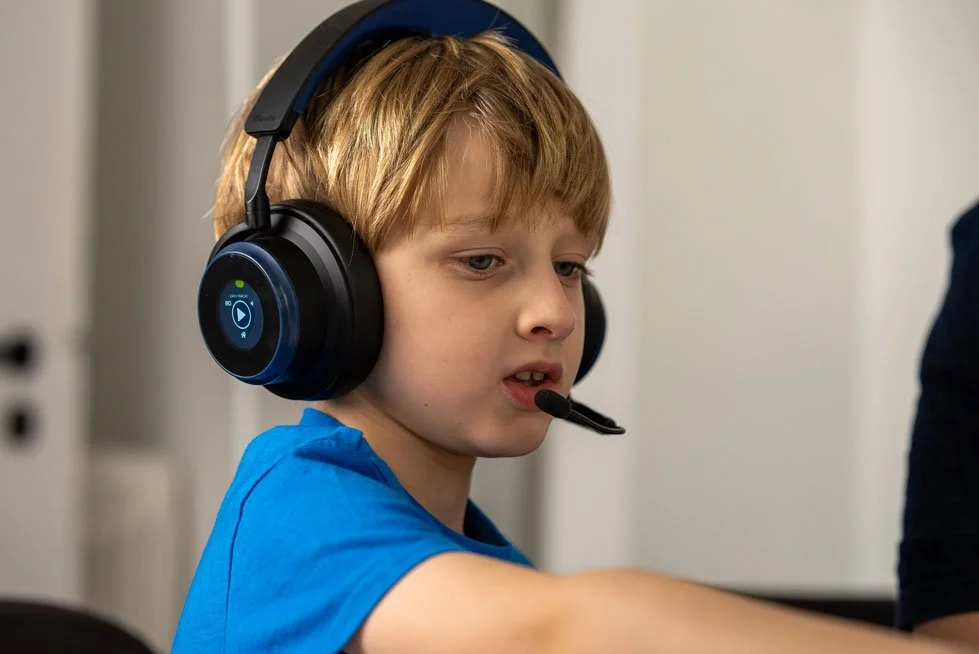
As September settles in, many families notice a familiar pattern. The first few weeks of school felt promising—new supplies, fresh energy, maybe even a few good days of focus. Then the wall appears. Classroom chatter gets louder, fluorescent lights and shifting schedules start to drain energy, multi-step instructions pile up, and homework turns into a nightly battle. Emotional ups and downs become more frequent. If this sounds familiar, you’re not alone. And here’s something important: the missing piece is often not “trying harder.” It’s listening—not just hearing.
Why listening skills matter so much right now.
Good listening is the brain’s ability to:
Filter out background noise so the teacher’s voice can come through clearly
Stay regulated during group work, transitions, or unexpected changes
Process and hold onto verbal instructions for homework and classroom tasks
Manage sensory input so overwhelm doesn’t take over
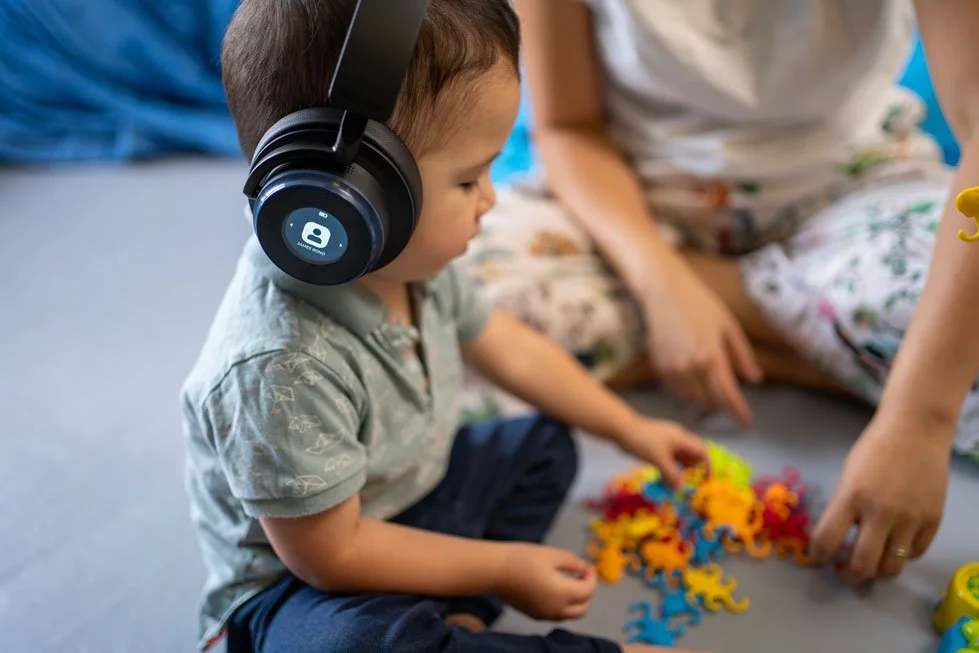
When these skills are underdeveloped, school feels exhausting. Kids may seem distractible, anxious, or easily frustrated—even when they are trying their best. REMEMBER: Executive functioning is deeply connected to auditory processing. The ability to plan, focus, remember directions, and regulate emotions relies heavily on how well the ear and brain are working together.
The Tomatis® Method is an educational program that uses specially filtered music (often Mozart and Gregorian chant) delivered through both air and bone conduction. The proprietary Electronic Gating® technology creates gentle, unexpected sound contrasts that train the brain to stay alert, focused, and better regulated.
Sessions are done with the Maestro headphones and can take place at home or at therapy. Many families find that a Tomatis intensive fits beautifully alongside the school year—no extra screens required. In fact, the listening time itself becomes a screen-free zone that strengthens attention while giving the nervous system a chance to settle.
Parents often notice improvements in:
Ability to focus in noisy classrooms
Following multi-step directions more easily
Calmer evenings and smoother homework time
Greater emotional resilience and confidence
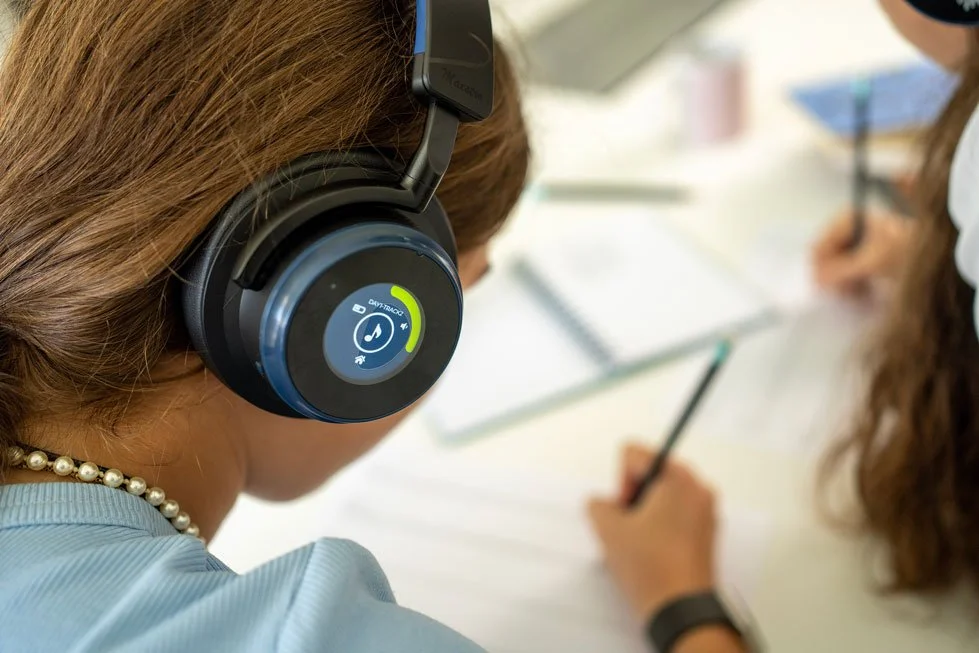
A Few Practical Ideas You Can Try Right Away
While a full Tomatis program offers the deepest rewiring, small daily supports help too:
Create a consistent, low-stimulation bedtime listening routine (even 20–30 minutes of calm, high-quality sound can make a difference).
Consider bone-conduction options during focused homework time if your child responds well to that immersive, “cocoon-like” sensation.
Protect evening hours from screens whenever possible—the brain needs that auditory recovery time after a busy school day.
Parents, You’re Invited Too
One of the things I love most about the Tomatis® Method is that parents can participate. Many families choose dual programs so both parent and child (or siblings) receive the benefits. When the whole household is better regulated and listening more clearly, the busy fall season simply feels lighter.
Ready for a Smoother Fall?
If your child is hitting that September wall—or if you simply want to give them the strongest possible foundation for the rest of the school year—I’d love to talk with you.Schedule a complimentary consultation so we can explore your child’s unique needs and see whether the Tomatis® Method is a good fit. The first step is always free.
Email me anytime: mcflorentin@listeninglabstl.com
Or visit www.listeninglabstl.com
Here’s to clearer listening, calmer evenings, and a school year that feels more manageable for everyone.
With care,
Mary Clare Florentin
Level 2 Tomatis® Practitioner
The Listening Lab – St. Louis
The TOMATIS® Method is an Educational Program, and is considered neither a medical treatment nor a means to establish a medical diagnosis.